
The UK Wedding is changing: 5 things we're watching for 2027
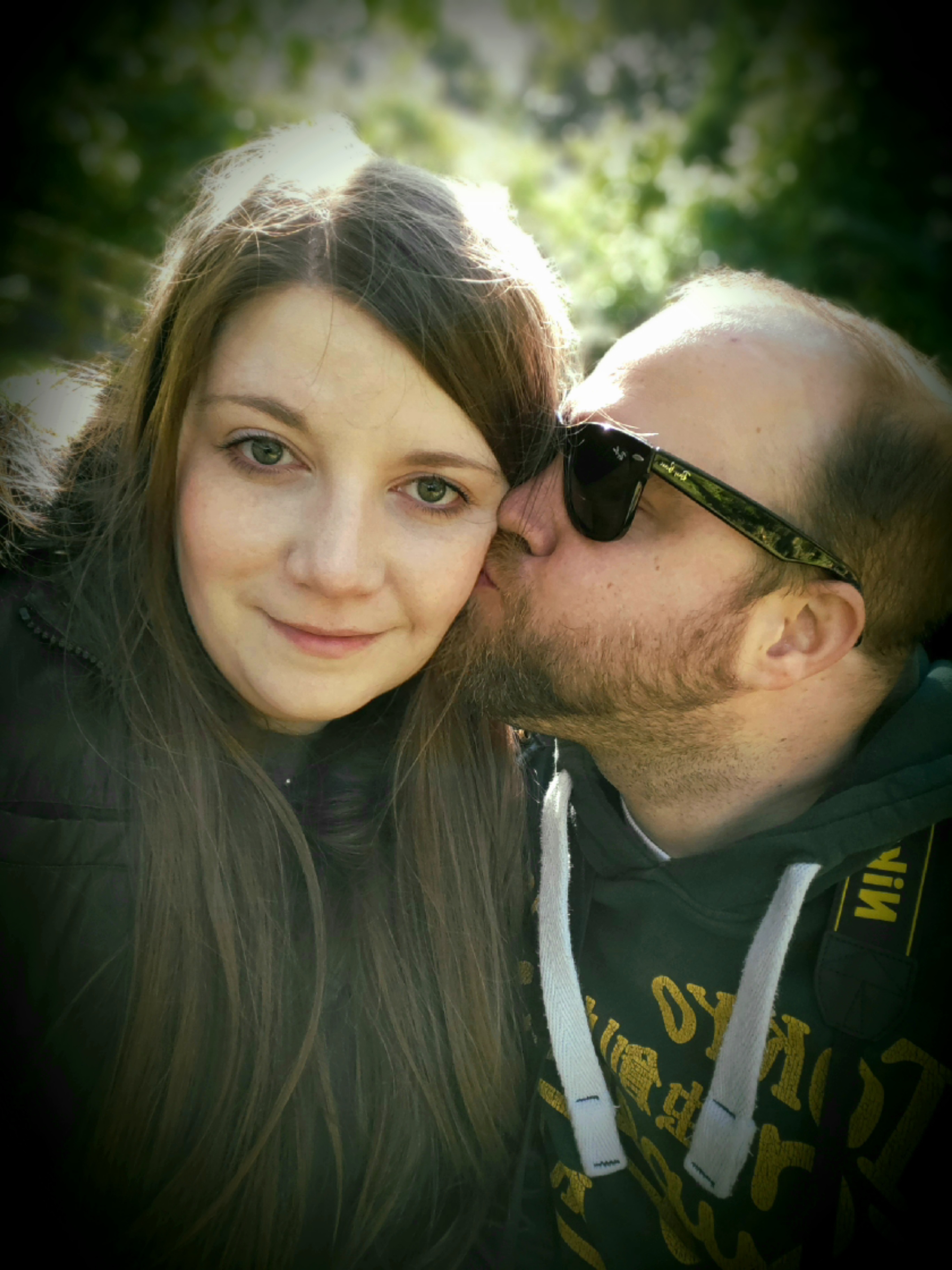
If there's one thing we've learned since starting Fox & Bee Weddings, it's that there really is no such thing as a "standard" wedding anymore.
And we love that.
Couples are questioning the traditions that have shaped weddings for decades. Does it have to be a Saturday? Do we really need 150 guests? Does a wedding venue even have to be a traditional wedding venue?
We've been digging into the latest UK wedding research, talking weddings almost constantly (occupational hazard!) and, as an engaged couple ourselves, making many of these decisions for our own day.
So, for our first edition of The Buzz, we're looking beyond colour palettes and fleeting social-media trends at five bigger changes that could shape weddings in 2027 and beyond.

Saturday isn't the only wedding day anymore
Saturday has always been the wedding day. But perhaps not for much longer.
Bridebook's latest UK Wedding Report, based on data from more than 7,000 UK couples, found that only 47% of weddings now take place on a Saturday. Fridays account for 17%, while 27% take place Monday to Thursday.
That's a pretty significant shift - And this particular debate is happening in the Fox & Bee household right now!
Jono and I have been discussing dates for our own wedding. At the moment, we're considering either Saturday, 29 April 2028 or Sunday, 29 April 2029.
Jono's argument against 2029? "Sunday isn't really a wedding day." and "I want to get married before I'm 40."
The statistics might be starting to disagree with him!
For me, there's something lovely about the symmetry of 29/04/29 - and, practically, another year gives us longer to save for the wedding we actually want.
There are obviously things to consider with a non-Saturday wedding. Work the following day, travel arrangements, and your guests' availability all matter. But there can also be disadvantages, including potentially greater venue and supplier availability and, depending on the venue, different pricing. Bridebook notes that Fridays and Sundays are generally cheaper than Saturdays, with weekdays potentially offering greater savings again.
Maybe the question is no longer "Why wouldn't you get married on a Saturday?". Perhaps it's simply "Which day works best for your wedding?".
(I'm still working on Jono 😉)
Source: The UK Wedding Report 2026
Smaller guest lists don't necessarily mean smaller weddings
This one has become very real for us.
When we first started talking about our wedding, we imagined around 150 guests - and our draft guest list was a little more!
Then we started visiting venues... and looking at prices... and doing the maths.
Suddenly, 150 people started to feel very different.
We're now thinking somewhere around 70-90 guests would probably suit us much better. But the interesting thing is that we don't necessarily see that as making our wedding smaller.
Instead, it lets us put more of our budget into what really matters to us, perhaps brilliant entertainment, better food, more thoughtful details, or simply a higher-quality experience for the people there.
And we aren't alone in reconsidering the guest list.
Bridebook's 2026 research puts the average UK wedding at 80 guests, while the average wedding-day spend sits at £20,604, broadly similar to £20,822 in 2025 and £20,775 in 2024. The average spend per guest is now £278.
That's an interesting combination. Guest lists may be getting tighter, but couples haven't simply stopped investing in their weddings.
Perhaps we're becoming more intentional about where we invest. And that's something we're particularly interested in watching at Fox & Bee. Instead of asking how big a wedding is, perhaps we should be asking, "what matters most to you?"
If cutting 30 people from your guest list means having the band you've always wanted, incredible food, or the photographer whose work you absolutely love, that may be a trade-off worth making.
Your wedding doesn't become less special because there are fewer chairs in the room.
Couples expect information. Quickly.
This one isn't particularly glamorous - but we think it's important.
Bridebook's 2026 industry research found that 81% of couples experienced frustration with venue responses at the beginning of their wedding-planning journey. Eighty-one percent!
My professional background is in hospitality/customer service, so response times and SLAs are very familiar territory to me.
Businesses naturally have targets for how quickly an enquiry should receive a response. But I've always found something interesting happens when you stop thinking about the SLA as a deadline and simply communicate with someone as soon as your seasonably can. People notice.
The conversation becomes warmer. Responses become more personal. And the customer feels as though somebody is genuinely interested in helping them rather than processing another enquiry in the inbox.
So here's my slightly old-fashioned Fox & Bee suggestion:
Pick up the phone.
Not every conversation needs another chain of 14 emails or Instagram messages. If a couple has sent a detailed enquiry, sometimes a friendly five-minute conversation can answer questions, understand what they're actually looking for an establish a relationship far more naturally.
Then follow up afterwards with the facts you've discussed in writing. Quick doesn't have to mean rushed.
Responsive and personal is a powerful combination.
For wedding suppliers reading this, we'd love to know: how quickly do you aim to respond to a new enquiry?
And for couples: does response time affect how you feel about a supplier?
I suspect it does.
Personalisation is overtaking tradition
There's a question we keep coming back to: do you really want your wedding to look exactly the same as your cousin's? Probably not.
There are traditions people absolutely love and couldn't imagine getting married without. And if they're important to you, keep every single one.
But increasingly, couples seem much more comfortable in asking "do we actually want this?" rather than "isn't this what you're supposed to do at a wedding?".
That's a distinction we love. Personalisation doesn't necessarily mean having your initials projected six feet high onto the dance floor - it might mean the food you choose because it reminds you of your first holiday together; a celebrant who tells your story properly; a song nobody else understands but your closest friends immediately recognise; a late night food truck; your dog walking down the aisle; a wedding cake that isn't remotely traditional; a completely unexpected entertainer; or ignoring a wedding tradition altogether because neither of you actually like it.
Bridebook's 2027 trend forecast similarly points towards couples increasingly choosing formats that serve them rather than feeling constrained by traditional expectations, alongside greater investment in atmosphere, entertainment and hospitality.
We think that's one of the most exciting changes happening in weddings. Beautiful styling is wonderful - but in ten years, it's probably going to be the moments that were completely you that people still talk about.
The definition of a wedding venue could eventually change
Now this is one we're going to be watching very closely.
Yesterday, Thursday, 24 September 2026, the Government's consultation on reforming wedding law in England and Wales closed.
The current legal framework contains rules dating back to the 18th and 19th centuries. The Government is considering significant reform following recommendations made by the Law Commission, with the intention of making the process simpler and giving couples greater choice.
One of the fundamental ideas behind the proposed framework is moving away from regulating primarily where a wedding takes place towards greater regulation of the officiant responsible for conducting it.
And if reforms along those lines eventually become law? That could really change the game.
Imagine outdoor spaces, gardens, private land, meaningful locations, places that nobody currently thinks of as a conventional wedding venue. Potentially, the possibilities become much broader.
We should emphasise that nothing has changed yet. The consultation has only just closed, and any changes would need to progress through the legislative process before couples could actually rely upon them. But the direction of travel is fascinating.
If the eventual system gives couples significantly more freedom over where they can legally marry, the idea of a "wedding venue" itself could begin to change. And when it does - the sky might quite literally be the limit.
So, what are we watching?
What interests us most isn't whether bows are replacing pearls or which share of green TikTok has decided we should all love this month. Those things are fun - and we'll absolutely talk about some of them too - but The Buzz is also about the bigger picture.
How are couples actually planning?
What are they spending their money on?
What are they choosing differently?
What do they expect from wedding businesses?
Which apparent "trends" are actually changing the industry?
At Fox & Bee, we're in a slightly unusual position. We're wedding-fair organisers, we're building relationships with brilliant wedding professionals across the Midlands and, conveniently, we're also an engaged couple currently planning a wedding ourselves.
As our fairs grow, we'll start sharing more of what we're seeing from our own couples and suppliers alongside wider UK wedding-industry research. Because trends are incredibly easy to declare, they're much harder to prove.
The Buzz is where we'll try to separate the two. Less noise, more insight.
Until next time,
Rachel & Jono
🤍🐝🤍
Comments